Glass Wool Insulation Supplier in Bangalore
Glass Wool Insulation is made from fine glass fibres bonded into rolls, mats or boards. Its porous structure traps still air to slow heat transfer and dissipates some sound energy within a suitable cavity. Rolls can suit broad roof or ceiling areas, while boards may be chosen where dimensional stability is important. EchoPro Acoustics supports ceiling, partition, roof, wall and HVAC insulation enquiries in Bangalore and across South India.
When choosing a Glass Wool Insulation supplier or dealer in Bangalore, check the intended use before comparing price. Confirm thickness, density, facing, pack coverage, thermal data and declared fire classification for ceiling or partition installation. Also check whether the insulation needs independent support, a protective facing or an enclosure. EchoPro Acoustics assists contractors, designers and project teams with quantities and product enquiries. Correct fit, continuous coverage and moisture protection matter.

What is Glass Wool Insulation?
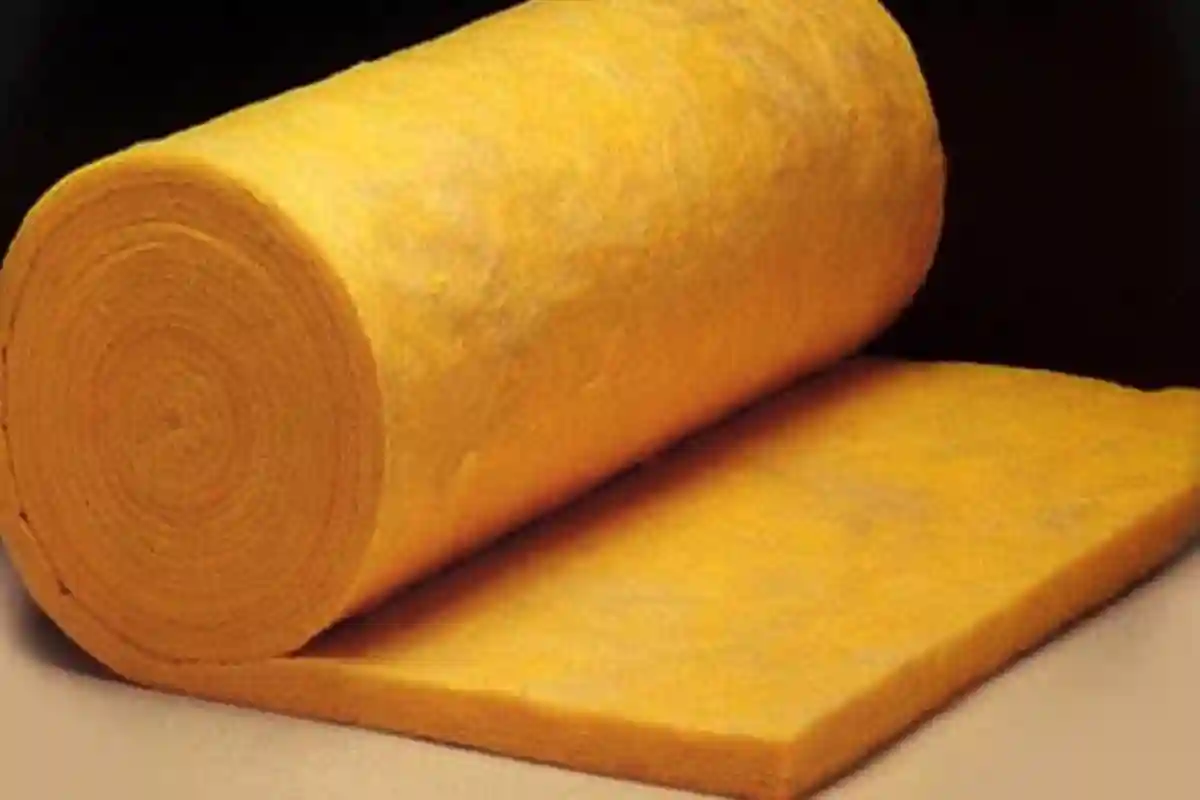
Glass Wool Insulation is made by drawing molten glass into fine fibres and binding them into a resilient mat or board. The fibres trap air to slow heat transfer, while air moving through the porous structure loses some sound energy through friction. Rolls suit broad areas; boards offer greater shape stability in suitable cavities. A facing or enclosure is normally required where the material is concealed behind a finished acoustic surface. Boards like Gypsum board, Mgo Board, Fiber cement board etc are used for concealing the fiber glass wool.
Glass wool, rockwool (stone wool) and polywool (polyester insulation) differ in their raw materials, fibre structure, thermal performance and acoustic properties. Glass wool is manufactured primarily from glass fibres and is lightweight, making it suitable for thermal insulation and sound absorption in walls, ceilings and HVAC systems. Rockwool is made from natural rocks and mineral materials, offering excellent fire resistance, thermal insulation and sound absorption, depending on the product specification. Polywool is made from polyester fibres and is often preferred for its lightweight construction, ease of handling and suitability for applications where non-mineral fibres are desired.
While insulation within a wall or ceiling cavity helps absorb sound within the construction, acoustic treatment focuses on controlling sound reflections and reverberation inside the occupied room. The right material depends on whether your primary requirement is thermal insulation, sound absorption, fire safety or overall acoustic comfort.
Why Choose Glass Wool Insulation
Glass wool insulation is a lightweight, cost-effective solution for thermal insulation and sound absorption in residential, commercial and industrial buildings. Its fibrous structure helps reduce noise transmission and improve indoor comfort when installed correctly within walls, ceilings and partitions. It is also easy to handle and available in various thicknesses and densities to suit different applications. For projects requiring additional sound absorption and decorative finishes, PET Polyester Acoustic Panels are an excellent complementary solution for offices, studios, conference rooms and other interior spaces.
Sound Absorption for Ceiling and Partition Cavities
Air moving through the inter-fibre spaces in glass wool experiences friction and viscous losses, dissipating a portion of sound energy as heat. It can reduce cavity resonance, but the slab alone is not a tested soundproof wall.
Thermal Insulation Support
Glass wool slows heat flow by holding pockets of relatively still air. Thermal resistance depends on thickness and declared conductivity; gaps, compression, air leakage and thermal bridges can reduce the performance of the complete ceiling or wall.
Density Options for Different Applications
Glass wool is sold in roll and board formats with different densities and stiffness. Choose the format designed for the cavity, support method and thermal or acoustic target; confirm current options rather than selecting by density alone.
Useful for Drywall Partition Infill
Glass wool can be fitted between drywall studs to absorb energy in the cavity. Board layers, stud arrangement, seals, penetrations and junctions still determine much of the wall’s sound-isolation performance.
Suitable for Designed Ceiling Systems
Above a false ceiling, glass wool provides a concealed thermal or acoustic layer when correctly supported. For a decorative absorbing finish, consider Wood Wool Acoustic Board separately, and confirm compatibility with the full assembly.
Supply in Bangalore and South India
EchoPro Acoustics receives Glass Wool Insulation enquiries from Bangalore and nearby South Indian markets. Quantity and delivery depend on roll or board dimensions, thickness, density, pack coverage and site location; confirm these details before ordering.
Application-Focused Product Support
A grade suitable for a roof may differ from one for a narrow drywall cavity. Confirm cavity depth, framing, facing, moisture conditions, thermal goal and fire documentation before ordering. Do not compress the material unless the manufacturer’s instructions permit it.
Guidance for Complete Assemblies
Glass wool is one component of a larger construction system. For comparison, review EchoPro’s Rockwool Insulation information, and assess cavity absorption, sound isolation and thermal resistance as separate design requirements.
Contact Us
Glass Wool Insulation is widely used in
Glass Wool Insulation is commonly concealed above suspended ceilings, beneath roof decks, inside framed walls and around selected building services. It adds thermal resistance and cavity absorption; boards, seals, framing and junction details complete the assembly.
Typical settings include offices, studios, hotels, schools, hospitals and homes where temperature control or sound management matters. EchoPro Acoustics supports enquiries in Bangalore and across South India. Check the specific grade’s thickness, facing and technical data, as values differ by product.
- False Ceiling Insulation
- Drywall Partition Infill
- Soundproofing Assemblies
- Auditoriums and Theatres
- Home Theatres and Media Rooms
- Recording and Music Studios
- Conference and Meeting Rooms
- Schools and Educational Institutions
- Hotels and Hospitality Projects
- Commercial Offices
- Hospitals and Healthcare Facilities
- Plant Rooms and Service Enclosures
- Residential and Multi-Unit Buildings
Typical Applications of Glass Wool Insulation
Glass Wool Insulation suits selected residential, commercial and industrial systems requiring thermal resistance or cavity absorption. It is usually enclosed behind boards, ceiling tiles or a protective facing. Continuous coverage and proper support help the assembly perform as intended. Common applications include:
Partition Infill for Soundproofing
Glass wool fitted between partition studs absorbs sound in the cavity and helps reduce resonance. Board layers, sealed perimeters and carefully treated penetrations remain essential to the wall’s sound-isolation performance. For better results, select a thickness that fills the intended cavity without unnecessary gaps or compression, then follow the partition system’s tested construction detail.
False Ceiling Insulation
Above a false ceiling, glass wool slows heat flow and absorbs sound within the void. It can suit offices, hotels and institutional spaces when properly supported. Seal gaps and keep lights, ducts and access hatches serviceable; the full floor-ceiling system determines sound isolation. Where the main aim is thermal comfort, select the required thermal resistance and maintain consistent coverage across the ceiling area.
Infill Behind Acoustic Wall Panels
Glass wool can be retained behind an acoustically transparent fabric or perforated facing in a purpose-built absorber. It is a concealed core, not generally a decorative finish on its own. For a finished surface-mounted option, review EchoPro’s Acoustic Panels. PU Foam Acoustic Panels are another surface-absorber option with a different structure and use case.
Recording and Music Studios
In studios, glass wool inside wall and ceiling cavities absorbs energy within the construction and helps control cavity resonance. It does not replace the mass, sealed doors, decoupled framing and exposed absorbers that a recording room may need.
Conference and Meeting Rooms
Glass wool in meeting-room partitions can reduce cavity resonance and support speech privacy between rooms. In ceilings it can also provide thermal resistance. Speech clarity inside the room depends on room geometry, surface finishes and any exposed acoustic treatment.
Classrooms and Educational Institutions
Glass wool in classroom partitions and ceiling cavities can reduce resonance and help manage noise travelling through lightweight constructions. Speech intelligibility also depends on room volume, reflections, ventilation noise, doors and surface finishes.
Hotels and Hospitality Spaces
In hotels and serviced apartments, glass wool within partitions and ceiling cavities can support acoustic comfort and thermal control. Guest-room privacy also depends on door seals, service penetrations, wall mass and continuity of the separating construction.
Restaurants and Cafés
In restaurants and cafés, glass wool in ceiling voids or partition cavities can absorb sound within the construction and limit some transfer to nearby spaces. It does not by itself control dining-room reverberation; exposed absorbers may still be needed. Consider moisture, cleaning and service clearances.
Libraries and Reading Rooms
In libraries, glass wool within selected partitions and ceilings can help manage noise from adjoining spaces. Room layout, ventilation, doors and surface finishes also affect quietness; use visible acoustic treatment where reverberation inside the reading room needs control.
Gyms and Fitness Centres
In gyms, glass wool can form part of the ceiling or wall cavity to absorb airborne sound. Dropped weights and structure-borne vibration may need resilient mounts, impact-isolating floors or heavier linings. Select facings for the site’s humidity and maintenance conditions.
In co-working spaces, glass wool in partitions around meeting rooms and phone booths can reduce cavity resonance and support privacy. Open-plan areas may also need ceiling rafts, wall absorbers or acoustic zoning to reduce speech distraction between desks.
Commercial and Service Areas
Commercial buildings use glass wool in ceiling, wall and service enclosures where thermal control or cavity absorption is required. Plant rooms may also need vibration isolation, duct lining, enclosure mass and sealed penetrations. Keep facings and access arrangements appropriate to the service environment.
Technical Specifications of Glass Wool Insulation
Material
Resin-bonded glass mineral fibres
Thickness
25mm, 50mm
Density
16 kg and 32 Kg / m3
Colour / Appearance
Yellow
Sound Absorption (NRC)
0.65 – 0.95
Thermal Conductivity
0.030 – 0.041 at 25 Degree Celsius
Max Temperature Resistance
-195 to 230 Degree Celsius
Fire Safety (Non-combustible)
In accordance with BS476
Water Absorption
Less than 2%
Coverage
25mm – 180 Sft
50mm – 260 Sft
Fiber Diameter
6 to 7 Microns
Brands
Jitex
Twiga
Owens Corning
Acoustic Performance of Glass Wool Insulation
Glass wool improves acoustic behaviour through its interconnected fibres and air spaces. As sound moves air through the porous mat, friction and viscous losses dissipate some energy as heat. Inside drywall partitions, it helps damp cavity resonances that may amplify certain frequencies. Fit it continuously without large voids, and do not compress it beyond the manufacturer’s instructions. In a ceiling void, the same porous mechanism absorbs sound within the cavity, while the surrounding ceiling layers govern how much passes into another space.
Partition performance depends on board type and layers, stud depth, insulation thickness, perimeter airtightness and whether framing is decoupled. Glass wool alone is not a sound barrier and cannot guarantee a specific decibel reduction. Noise may bypass the partition through doors, glazing, suspended ceilings, service penetrations or structural connections. Use STC or Rw test data for the complete assembly, and remember that laboratory performance depends on the exact construction and installation details.
Above a false ceiling, glass wool absorbs some sound within the void and may contribute to thermal resistance below a hot roof deck. Sound isolation depends on ceiling mass, suspension details, perimeter seals and penetrations. Pumps, fans and impact noise may require separate vibration isolation. Do not obstruct access to lights, dampers, detectors or services. Where insulation is installed in a hot or humid roof space, confirm that the product facing, vapour-control approach and support system suit the building design.
Sound absorption and sound insulation are different. Glass wool absorbs sound in a cavity; the complete construction blocks transmission through mass, airtightness, cavity design and mechanical isolation. Results vary with thickness, cavity depth, board layers and installation quality. For room-echo issues, read the complete guide to acoustic treatment. Compare Polywool Insulation using its own product data and intended application.
For project-specific advice, compare product data for the intended cavity, finish and noise-control objective, and confirm that the selected insulation is suitable for the complete assembly.
Important Notes When Buying Glass Wool Insulation
Glass Wool Is Not Complete Soundproofing by Itself: It absorbs sound within cavities but does not seal gaps or add all the mass required for isolation. A designed system may combine it with Magnesium Oxide Board and, where specified, a flexible barrier such as Mass Loaded Vinyl Sheet. Choose layers for the noise source and site conditions.
Select Suitable Thickness: Match roll or board thickness to cavity depth and required thermal resistance. Do not compress the material simply to make it fit.
Confirm Density and Grade: Rolls and boards have different stiffness and density ranges. Use the datasheet and intended-use guidance, not density alone, to select the grade.
Plan the Installation Detail: Check ceiling support and service clearances. In partitions, fit batts neatly and preserve the board, seal and penetration details specified for the assembly.
Consider the Whole Room: Doors, glazing, floor, ceiling, ventilation and surface finishes affect acoustic comfort. Use exposed absorbers for room reverberation and a complete wall or ceiling design for sound isolation.
Understand the Noise Type: Speech, low-frequency music, impact noise and structure-borne vibration need different solutions. Establish whether the priority is thermal insulation, absorption, reverberation control or isolation.
Verify Fire and Safety Documents: Fire performance varies by grade and facing. Request current documents for the exact product and follow the project specification and safety instructions.
Buy for the Application: Ceilings, drywall infill and equipment enclosures may require different formats. A Glass Wool Insulation supplier or dealer in Bangalore should confirm dimensions, density, facing, pack contents and delivery terms.
Compare Glass Wool Insulation Price Fairly: Price depends on thickness, density, roll or board format, facing, quantity and freight. Compare like-for-like specifications and check pack coverage before calculating cost per area.
Confirm the Specification: Check material type, manufacturer, thickness, density, dimensions, facing, pack coverage and technical documents. A written specification prevents ordering an unsuitable grade.
Installation Guide for Glass Wool Insulation
Plan installation for the exact ceiling, partition or enclosure. Confirm thickness, density, format, cavity size, pack coverage, facing and support method. Follow the manufacturer’s instructions and safety data. Wear appropriate gloves, long sleeves, eye protection and any recommended respiratory protection when cutting fibres. Store material dry, avoid gaps or unapproved compression, and keep electrical, HVAC, fire-detection and access points clear. Inspect partition infill before closing the final board layer; verify overhead retention above ceilings.
Step 1 – Check the Cavity and Prepare the Area
Inspect the frame or ceiling grid, remove debris and confirm that the cavity is dry. Check depth, spacing, supports and service routes so the material fits without blocking access or interfering with fire-stopping details.
Step 2 – Measure and Plan the Layout
Measure the area and calculate quantity from confirmed roll or board dimensions and pack coverage. Plan cuts around studs, beams, openings and services, minimise small offcuts, and keep lights, dampers, detectors and access panels serviceable.
Step 3 – Use Appropriate Handling and Cutting Methods
Cut with the tools recommended by the manufacturer and follow the product safety data. Use the specified protective equipment and approved retainers or fixings; use adhesive only where the instructions allow it.
Step 4 – Position and Secure the Insulation
Place glass wool with snug joints and continuous coverage. Avoid gaps, sagging and excessive compression. Maintain required clearances around services and inspect all penetrations before closing the wall or ceiling.
Step 5 – Inspect the Completed Work
Check corners, joints and penetrations for continuous coverage. Confirm the material is supported, voids are absent and lining boards will not dislodge it. Photograph or record the installation where the project quality plan requires it.
Professional Installation Recommended
Professional installation is recommended for commercial interiors, studios, auditoriums, plant rooms and complex ceiling systems. An experienced installer can coordinate framing, loads, facings, board layers and service penetrations. Contact EchoPro Acoustics for Glass Wool Insulation enquiries in Bangalore and across South India.
Contact Us
#6, 10th B Cross, Jayswal Center, KHB Main Road, Kaveri Nagar, Kanakanagar, RT Nagar Post, Bangalore – 560032.
Email Address:
sales@jayswalgroup.com
anil@jayswalgroup.com
jayswal1@yahoo.co.in