Polywool Insulation Supplier in Bangalore
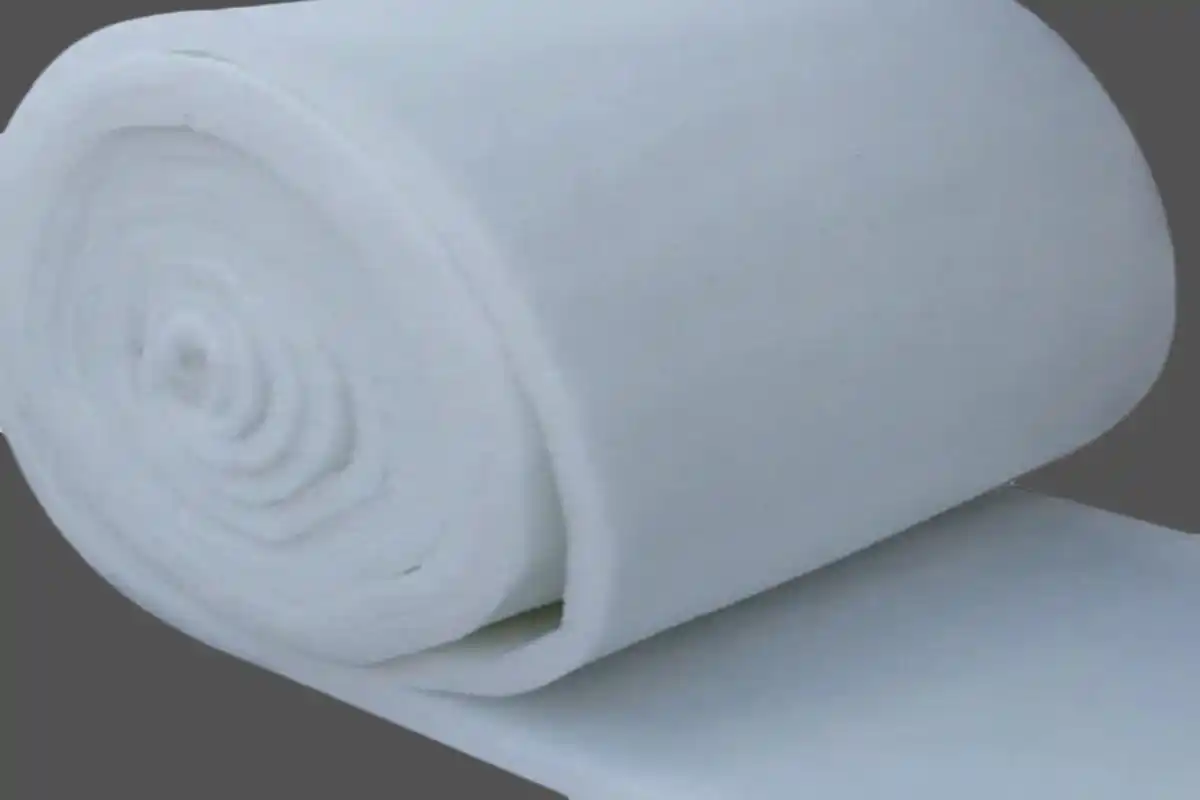
Polywool Insulation in Bangalore is a versatile infill material used for acoustic treatment and thermal insulation support in false ceilings, drywall partitions, wall panelling, theatres, studios, offices and other interiors. Also known as polyester wadding, Polywool is supplied in roll form and is selected where a flexible insulation layer is required inside a building system. EchoPro Acoustics supplies Polywool Insulation for residential, commercial and professional projects in Bangalore and across South India.
EchoPro Acoustics helps architects, interior designers, contractors, acoustic consultants and end customers source Polywool according to the thickness, GSM, density and roll coverage required. It can be installed inside drywall partitions, above false ceilings or behind acoustic wall assemblies. Buyers comparing a Polywool Insulation manufacturer, supplier or dealer in Bangalore should consider performance, installation method, quantity and price together.

What is Polywool Insulation?
Polywool Insulation is a polyester-based infill insulation material designed to absorb sound and provide a flexible insulation layer within building and interior systems. Its fibrous structure helps dissipate sound energy as it passes through the material, making it useful for reducing reflections and improving the acoustic performance of enclosed spaces. In a building assembly, Polywool can be installed within cavities or behind finish materials rather than being used only as a visible decorative surface. For projects that also require exposed wall finishes, see our Acoustic Panels range.
Polywool is commonly supplied in roll form with different thicknesses and GSM options, allowing the installer to choose a suitable grade for the project. It can be used in false ceiling cavities, drywall partitions, acoustic panels, theatre construction, recording spaces and other areas where sound absorption and insulation support are required. EchoPro Acoustics can help customers evaluate the intended application and select a practical configuration. For a broader explanation of room sound control, read our guide to Acoustic Treatment.
Why Choose EchoPro Polywool Insulation
Choosing an insulation material involves more than selecting the thickest option. EchoPro Acoustics focuses on matching Polywool Insulation to the construction system, room use and acoustic objective. Customers can compare Polywool with products such as PET Polyester Acoustic Panels, Wood Wool Acoustic Boards and PU Foam Acoustic Panels according to the role each material plays in the overall acoustic system. With supply available in Bangalore and across South India, EchoPro Acoustics provides product-focused guidance for acoustic and insulation requirements.
Sound Absorption for Interior Spaces
Polywool Insulation is used as an acoustic infill because its fibrous construction helps absorb part of the sound energy reaching the material. The result depends on the grade, thickness, installation method and complete room assembly.
Flexible and Lightweight Roll Format
Polywool is supplied in roll form, making it practical to transport, handle and position across larger areas. It can be cut to suit cavities and construction details around channels, services and framing.
Multiple Thickness and GSM Options
Different projects need different acoustic and thermal insulation levels. Polywool is available in different thickness and GSM configurations, allowing selection according to cavity depth, performance needs and project budget.
Suitable for Partitions and False Ceilings
Polywool Insulation can be placed inside drywall partition cavities and above suitable false ceilings. This makes it useful in offices, meeting rooms, theatres, studios, hotels, educational spaces and other interior projects.
Practical for Acoustic Panel Construction
Polywool can be used as an internal absorbing layer within fabric-wrapped acoustic panels and other wall treatment assemblies. With a suitable frame and facing, it can form a practical acoustic treatment system.
Bangalore and South India Supply
EchoPro Acoustics supplies Polywool Insulation in Bangalore and across South India. Orders can be evaluated according to area, thickness, GSM, roll coverage, application and delivery location.
Application-Focused Supply and Support
EchoPro Acoustics supplies Polywool Insulation for projects in Bangalore, Karnataka and across South India. Product selection can be discussed with the supplier before procurement so that thickness, GSM, quantity and installation conditions are considered together.
Project-Specific Product Guidance
The correct Polywool grade depends on the construction assembly and acoustic objective. EchoPro Acoustics can help customers understand where the material is best used and how it can be combined with boards, panels, cavities and other sound-control materials.
Contact Us
Polywool Insulation is widely used in
Polywool Insulation is widely used as an internal acoustic and thermal insulation layer in spaces where sound control, comfort and cavity insulation are important. It can be installed inside drywall partitions, above false ceilings, behind acoustic wall treatments and within fabricated acoustic panels. In theatres, home theatres, recording rooms and offices, the material can form part of a complete acoustic system designed around the room geometry and finishes.
Because Polywool is available in roll form and different thicknesses and GSM options, it can be selected for both residential and commercial projects. EchoPro Acoustics supplies Polywool Insulation in Bangalore and across South India for applications that include partition insulation, ceiling insulation, acoustic panel infill, wall panelling and general interior insulation. The material should be selected and installed according to the requirements of the complete assembly.
- Corporate Offices
- Workspaces and Co-working Spaces
- Conference and Meeting Rooms
- Theatres and Auditoriums
- Home Theatres and Media Rooms
- Recording Studios and Music Rooms
- Podcast and Voice Recording Rooms
- Educational Institutions
- Schools, Colleges and Classrooms
- Hotels and Hospitality Areas
- Restaurants and Cafés
- Hospitals and Healthcare Facilities
- Libraries and Reading Rooms
Typical Applications of EchoPro Polywool Insulation
EchoPro Polywool Insulation can be incorporated into residential, commercial and professional construction systems where sound absorption and insulation support are required. Its main role is usually as an internal or concealed material rather than a decorative finish. This makes it particularly useful inside partition walls, false ceilings, acoustic panel assemblies and other cavities. The following applications show where Polywool is commonly considered in a project.
Partition Insulation
Polywool Insulation can be placed inside drywall partition cavities as an acoustic absorbing layer. It can support the performance of office partitions, meeting rooms, studios and other interior dividing walls.
False Ceiling Insulation
Above a false ceiling, Polywool can provide an additional insulation layer. It is suitable for gypsum and grid-ceiling systems when the installation detail is designed for the product and the material is kept clear of building services.
Acoustic Panel Infill
Polywool can be used as an infill inside fabric-wrapped acoustic panels and wall absorbers. Positioned behind the visible facing, it can form the absorbing core for conference rooms, studios, auditoriums, classrooms and corporate interiors.
Recording & Music Studios
Polywool can be used inside studio partitions, wall assemblies and acoustic panels to support a controlled room design. Its role should be considered with room geometry, surface treatments, low-frequency strategy and sound-isolation requirements.
Conference & Meeting Rooms
Conference rooms need speech that remains clear without excessive reverberation. Polywool can be installed within partitions, ceilings or acoustic wall systems as part of a layered approach to sound control.
Classrooms & Educational Institutions
Classrooms and training spaces can use Polywool inside partitions and acoustic assemblies to support a more controlled learning environment. Quantity and placement should be planned with room size, use and the rest of the acoustic treatment.
Hotels & Hospitality Spaces
Hotels can use Polywool inside partitions, ceilings and acoustic wall systems where guest comfort and speech privacy matter. It can be incorporated into rooms, corridors, meeting areas and entertainment spaces.
Restaurants & Cafés
Restaurants and cafés can use Polywool behind acoustic wall panels, within partitions and above suitable ceilings to support better acoustic comfort. Effectiveness depends on the treated area and finished assembly.
Libraries & Reading Rooms
Libraries and reading rooms can use Polywool inside partitions and acoustic panel systems to help absorb sound. It can be combined with visible acoustic finishes for a balanced design.
Gyms & Fitness Centres
Gyms and fitness centres can integrate Polywool behind acoustic panels, inside partitions or above selected ceiling systems. It works best as part of a planned room-wide acoustic approach.
Co-working spaces can use Polywool inside partitions and acoustic treatment assemblies to create more controlled zones for calls and collaboration. It is useful where absorption is required within the building system.
Commercial & Retail Interiors
Commercial and retail interiors can use Polywool in wall partitions, ceiling cavities and acoustic panel systems where large areas create excessive reflections. EchoPro supplies the material in Bangalore and South India.
Technical Specifications of Polywool Insulation
Material
100% Polyester
Thickness
25mm, 50mm, 75mm, 100mm
Roll Size
1.21m x 14.63m Roll
6ft x 4ft Sheet
Colour
Raw White
N.R.C
0.75 to 0.90
GSM
500, 1000 and 1500 GSM
Density
>20 Kg / m³
Form
Roll
Coverage / Roll
192 Sq Ft for the listed roll size
Composition
Polyester staple fibre
Typical Applications
False ceilings, drywall partitions and acoustic treatment
Brand
JITEX / EchoPro
Acoustic Performance of Polywool Insulation
The acoustic performance of Polywool Insulation comes from its fibrous polyester structure, which helps dissipate sound energy as air movement passes through the material. When correctly placed within a partition, ceiling cavity or acoustic panel, Polywool can absorb sound and reduce the amount of energy available for repeated reflections. Published performance values should always be interpreted together with thickness, density or GSM, mounting method and the surrounding construction assembly.
For acoustic projects, Polywool should be treated as one component of a complete system. A room may need a combination of absorbing surfaces, cavity insulation, mass, decoupling and sealed construction depending on whether the main goal is reverberation control, speech clarity, sound isolation or a combination of these. EchoPro Acoustics can help customers choose the material configuration according to the application rather than treating one product as a universal solution.
Important Notes for Polywool Insulation
Polywool Supports Acoustic Insulation but Is Not Complete Soundproofing by Itself: Polywool is primarily an absorbing and infill material. Blocking sound transmission between rooms normally requires a correctly designed construction with mass, airtightness and other components. Depending on the project, Mass Loaded Vinyl Sheet and Magnesium Oxide Board can be combined with cavity insulation and other construction layers.
Choose the Right Thickness: Thickness affects the amount of absorbing material that can be placed into a cavity. Check the cavity depth, acoustic objective and construction detail before ordering the required thickness.
Check GSM and Density: GSM and density help compare Polywool grades. Evaluate them with thickness, mounting method, frequency range and the rest of the system instead of choosing on one number alone.
Plan the Installation Area: Polywool works best when placed where absorption is needed. In a partition it normally sits in the cavity; in an acoustic panel it is positioned behind the visible facing. Correct placement matters.
Consider the Complete Room: Room size, finishes, glazing, flooring, furniture, doors and treated area influence the acoustic result. Select Polywool as part of a broader acoustic treatment plan for demanding projects.
Understand Frequency Requirements: Polywool is a porous absorbing material. Performance at low, mid and high frequencies depends on thickness, density, air space and construction, while major bass problems may need additional measures.
Check Fire and Safety Documentation: Fire performance can vary by product and grade. For public, commercial or institutional projects, verify the current technical and fire documentation for the exact material and follow applicable project requirements.
Buy According to the Application: A conference room, studio, theatre, office or partition project may require different quantities and configurations. Discuss the application with your Polywool supplier or dealer before purchase.
Consider Polywool Insulation Price in Context: Price can vary with thickness, GSM, density, roll coverage, quantity, brand and delivery location. Compare the complete specification, not only the per-square-foot rate.
Verify the Product Specification Before Purchase: Confirm material composition, thickness, GSM, density, roll size, coverage and applicable documentation for the exact Polywool Insulation you plan to use.
Installation Guide for Polywool Insulation
Installing Polywool Insulation is straightforward when the correct cavity, surface, support and fixing method have been planned in advance. The material is commonly installed inside drywall partitions, above suitable false ceiling systems or within framed acoustic panel assemblies. Before installation, confirm the required thickness, GSM, roll coverage and the amount of material needed for the project. EchoPro Acoustics recommends following the product documentation and the requirements of the complete building assembly.
Polywool is flexible enough to be cut to suit many interior construction details, but installation should avoid unnecessary compression, gaps or discontinuities. The material should be positioned so that it occupies the intended cavity without interfering with electrical, HVAC or other building services. For larger projects, plan the installation sequence before opening the insulation rolls to keep the work efficient and the finished assembly consistent.
Step 1 – Check the Cavity and Prepare the Area
Inspect the partition, ceiling or panel frame before placing Polywool. Remove construction debris and make sure the cavity is accessible, dry and suitable for insulation. Check for sharp projections or incomplete framing that could interfere with the roll. Measure the available depth so the selected thickness fits the system without excessive compression.
Step 2 – Plan the Panel Layout
Measure the area to be filled and plan how the roll will be cut before installation. For drywall partitions, consider the spacing of the metal or timber studs and the position of doors, windows, electrical boxes and services. For false ceilings and acoustic panels, plan the treated zones so the insulation remains continuous where the design requires it and does not block access to essential services.
Step 3 – Apply Suitable Adhesive or Mounting System
Cut Polywool Insulation to the required dimensions using a suitable cutting method for the product grade and site conditions. The pieces should be large enough to fill the cavity neatly while avoiding major gaps. Avoid excessive compression unless the specific construction design calls for it, because maintaining the intended material thickness and installation arrangement is important for consistent performance.
Step 4 – Position and Fix the Panels
Place the prepared Polywool into the partition, ceiling cavity or acoustic panel frame and secure it using the installation method appropriate to the assembly. The material should remain evenly distributed without loose sections or open gaps. Keep it clear of services and ensure that the next construction layer can be installed correctly. Where Polywool is used inside an acoustic panel, the facing and frame should hold the insulation in the intended position.
Step 5 – Check the Finished Installation
Inspect the completed installation to make sure the cavity is adequately filled, the material has not been unnecessarily compressed and there are no large gaps. Check corners, joints and transitions around openings carefully. Once the insulation layer is complete, close the assembly according to the construction design. Proper installation helps the Polywool perform as intended within the overall acoustic and thermal system.
Professional Installation Recommended
Professional installation is recommended for larger commercial projects, theatres, auditoriums, studios and complex partition or ceiling systems where acoustic performance depends on careful detailing. An experienced installer can help coordinate cavity depth, material quantity, panel or partition construction, service locations and finishing. For projects in Bangalore and across South India, customers can consult EchoPro Acoustics when planning Polywool Insulation requirements for their specific application.
Contact Us
#6, 10th B Cross, Jayswal Center, KHB Main Road, Kaveri Nagar, Kanakanagar, RT Nagar Post, Bangalore – 560032.
Email Address:
sales@jayswalgroup.com
anil@jayswalgroup.com
jayswal1@yahoo.co.in